Bringing home a new puppy is pure joy, right up until you realize how much a small dog can produce. Puppies eat frequently, digest fast, and have accidents everywhere while they learn. Getting your pet waste routine sorted early makes house training smoother and your home far more livable in 2026.
Why Puppies Produce So Much Waste
A growing puppy eats three to four meals a day, and what goes in comes out on a rapid schedule. Expect your puppy to need to go shortly after eating, drinking, playing, and waking up. That is a lot of cleanup opportunities.
This frequency is not a problem to fix; it is a normal stage of development. Your job is to build habits and stock the supplies that keep pace with your puppy’s tiny, prolific digestive system.
Waste and House Training Go Together
Cleanup and potty training are two sides of the same coin. How thoroughly you clean accident spots directly affects how quickly your puppy learns, because lingering odor invites repeat offenses.
The New-Puppy Cleanup Starter Kit
Set yourself up before the puppy even arrives. Having supplies on hand means you react calmly instead of scrambling during that first messy week.
Keep a generous supply of a reliable Dog poop bag at the door for yard trips, since you will be making many of them. Once your puppy graduates to consistent outdoor potty breaks, a Pooper scooper near me search pays off with a tool that saves your back during those frequent scoops.
- Enzyme cleaner (critical for indoor accidents)
- Absorbent puppy pads for the transition phase
- Tear-resistant waste bags
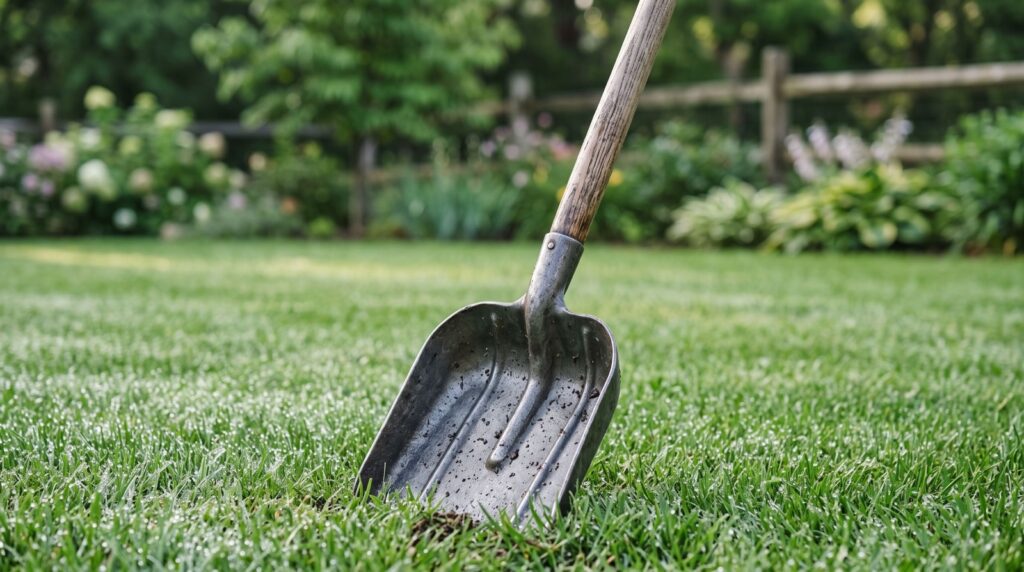
- A long-handled scooper for yard duty
- Disposable gloves
Handling Indoor Accidents the Right Way
When accidents happen indoors, ordinary soap will not cut it. Dogs return to spots that still smell like a bathroom to their sensitive noses, so you must neutralize odor at the enzyme level.
- Blot up as much as possible immediately.
- Saturate the spot with an enzyme cleaner.
- Let it dwell for the full time on the label.
- Blot dry and let air-finish.
- Keep the puppy away until fully dry.
Building a Puppy Potty and Cleanup Schedule
Consistency is everything with a young dog. A predictable schedule reduces accidents and makes cleanup manageable.
| Puppy Age | Potty Frequency | Cleanup Focus |
|---|---|---|
| 8–10 weeks | Every 1–2 hours | Indoor accidents |
| 10–16 weeks | Every 2–3 hours | Pad-to-yard transition |
| 4–6 months | Every 4 hours | Yard scooping |
| 6+ months | 3–4 times daily | Regular yard routine |
Reading Your Puppy’s Waste for Health Clues
Cleanup time doubles as a health check. A puppy’s stool tells you a lot about their diet and wellbeing, and new owners should learn what normal looks like early. Firm, chocolate-brown, and consistent is the goal.
Watch for warning signs while you scoop. Loose or watery stool, unusual colors, visible worms, or blood all warrant a call to your veterinarian. Because puppies dehydrate quickly, digestive upset is more urgent in a young dog than in an adult.
Sudden changes often trace back to diet. If you switch your puppy’s food, do it gradually over a week to avoid the diarrhea that comes from abrupt transitions. Your cleanup routine will immediately tell you whether the new food agrees with them.
Transitioning From Pads to the Yard
The move from indoor pads to outdoor potty breaks is a milestone, and cleanup habits smooth the transition. Reward every successful outdoor trip immediately so your puppy connects the yard with praise.
- Gradually move the pad closer to the door, then just outside it.
- Take your puppy to the same outdoor spot each time to build a scent cue.
- Scoop that spot regularly, but leave the scent association intact early on.
- Phase out pads once outdoor success is consistent.
Patience pays off. Most puppies make the full transition within a few weeks when the routine is consistent and accidents are cleaned thoroughly so old odor cues do not derail progress.
Keeping Your Puppy Healthy During This Stage
Puppies are especially vulnerable to intestinal parasites, so prompt waste removal protects their developing immune systems. The American Veterinary Medical Association recommends routine deworming and good sanitation for young dogs; see the AVMA’s parasite guidance for details.
If the round-the-clock demands overwhelm you, do not be shy about getting help. An experienced local team can handle yard maintenance while you focus on training and bonding.
Frequently Asked Questions
How often should a puppy poop each day?
Young puppies commonly go four to five times a day because they eat frequently. This decreases as they mature and meals consolidate, so plan your cleanup routine around it.
What is the best cleaner for puppy accidents?
An enzyme-based cleaner. It breaks down the odor compounds that attract your puppy back to the same spot, which ordinary household cleaners leave behind.
When can I start scooping my puppy’s yard waste?
As soon as your puppy is reliably going outside. Using a long-handled scooper from the start saves your back and keeps the yard sanitary during the messy early months.
Are puppies more prone to parasites?
Yes. Their immune systems are still developing, so prompt waste removal and a vet-guided deworming schedule are especially important for young dogs.
Crate Training and Its Role in Cleanup
Crate training is one of the most effective tools for reducing accidents, and fewer accidents mean far less cleanup. Dogs instinctively avoid soiling their sleeping space, so a properly sized crate encourages your puppy to hold it until you can get them outside.
Size the crate correctly. It should be just big enough for the puppy to stand, turn around, and lie down comfortably. Too large, and they will use one end as a bathroom, which defeats the purpose and adds to your workload.
Pair the crate with a strict potty schedule: outside immediately after leaving the crate, every time. This rhythm builds bladder control faster than almost anything else and slashes the number of indoor messes you have to scrub during the early weeks.
Common Puppy Cleanup Mistakes to Avoid
New owners tend to repeat the same handful of missteps. Knowing them in advance saves you frustration and helps your puppy learn faster.
- Using ammonia-based cleaners, which smell like urine and invite repeat accidents.
- Punishing after the fact, which only confuses and stresses the puppy.
- Cleaning too lightly, leaving odor cues your dog’s nose still detects.
- Skipping outdoor scooping, letting parasites accumulate in the yard.
- Running out of supplies and improvising with inadequate tools.
The biggest one is under-cleaning. If a spot still smells like a bathroom to your puppy, they will return to it, no matter how clean it looks to you. Thorough enzyme treatment is the difference between a quick training phase and a maddening one.
Set Your Puppy Up for Success
A smart pet waste routine turns the chaotic puppy stage into a manageable, even enjoyable, chapter. Stock the right supplies, clean accidents thoroughly, and stay consistent through 2026. Ready to welcome your new best friend without the mess stress? Gear up today and start on the right paw.