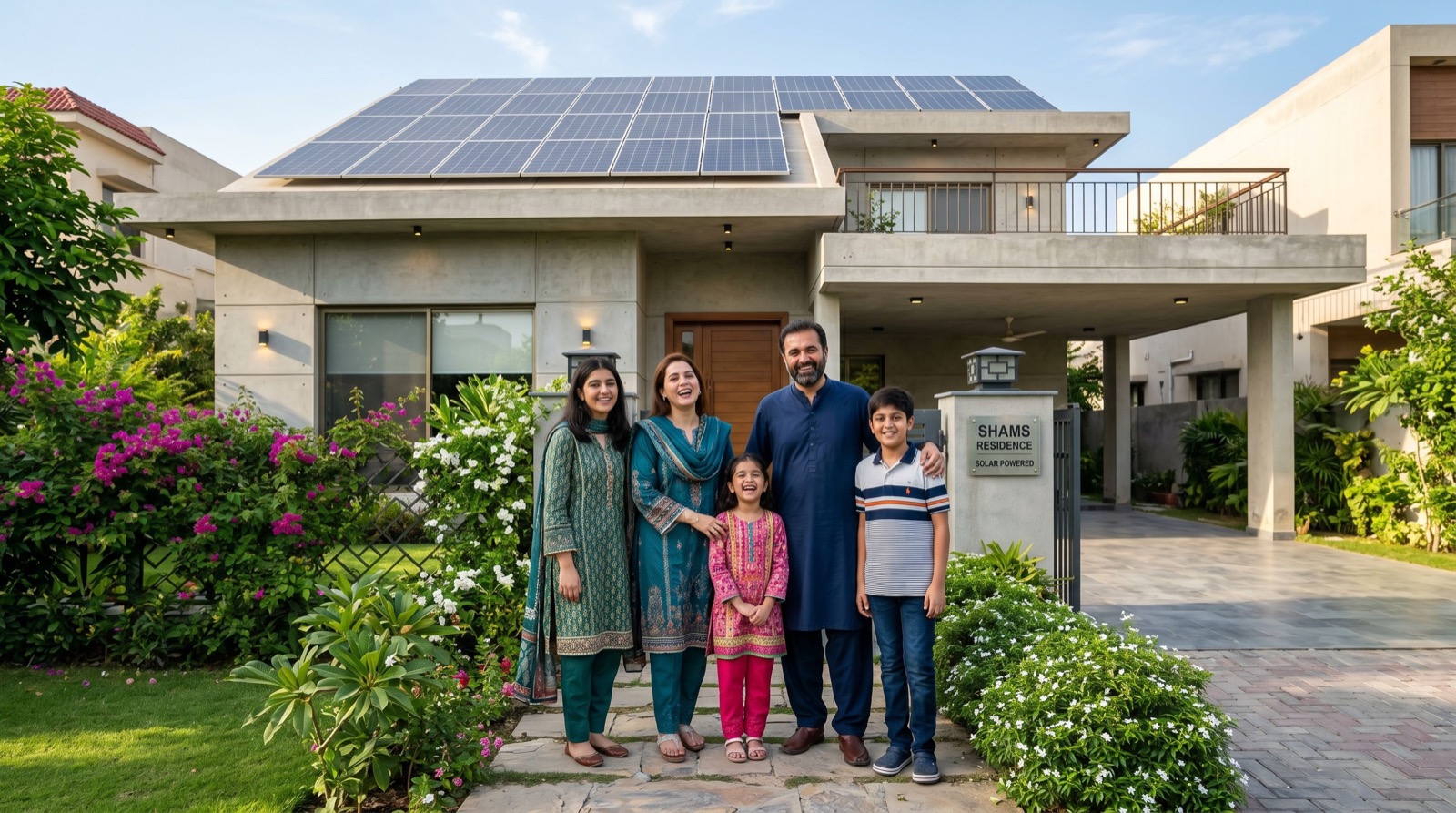
Rising tariffs, unpredictable power cuts, and a hot, sunny climate make Pakistan one of the best places in the world to embrace solar energy. For most homeowners, the question is no longer whether to switch, but how to do it properly so the system performs for decades. A well-planned solar setup can slash your bills, keep your home running through outages, and even add value to your property. Let’s look at everything that goes into a great solar investment.
There’s a reason solar panels are appearing on rooftops in every city and town across the country. With grid electricity growing more expensive each year and sunlight available almost every day, the math has tipped firmly in the homeowner’s favour. But a solar system is a long-term commitment, often lasting 25 years or more, so it pays to understand the essentials before you invest. Here’s your complete, no-nonsense guide.
Understanding How Solar Works
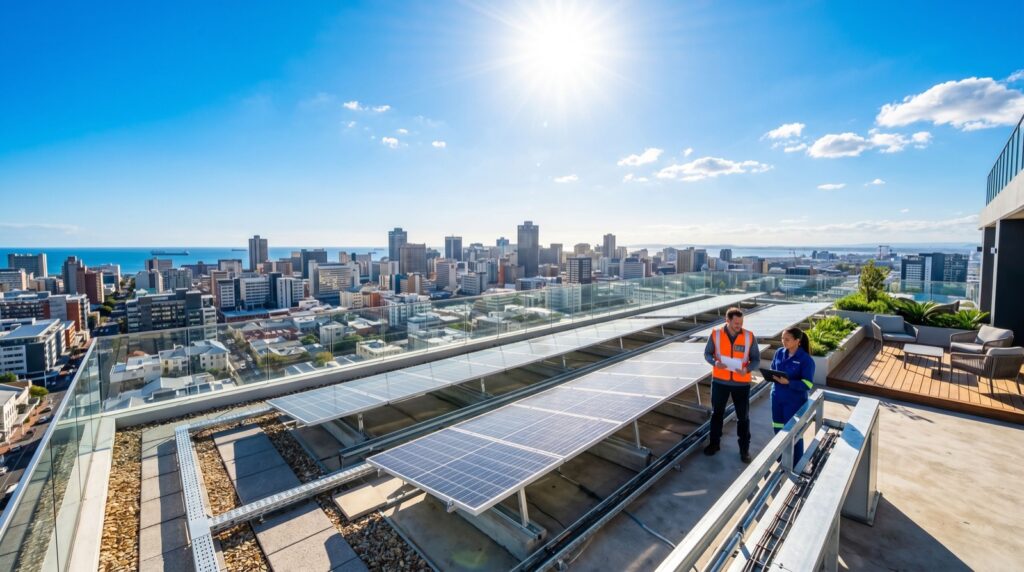
The core idea behind solar is refreshingly simple. Panels on your roof capture sunlight and convert it into direct-current electricity. An inverter then transforms that into the alternating current your home actually uses. Any power you don’t use immediately is either stored in a battery for later or exported to the grid. A good installer designs this whole chain – panels, inverter, wiring, and optional battery – around your real usage patterns, so nothing is wasted and every component is sized correctly for your home.
Goodbye to Load-Shedding
One of the most frustrating parts of daily life in Pakistan is planning your routine around unpredictable power cuts. Paired with a battery, a solar system keeps your lights, fans, internet, and essential appliances running smoothly even when the grid goes down. For families that have grown used to sweltering through outages or scrambling to charge devices, that reliability can be worth as much as the financial savings. Your home simply keeps working, quietly and consistently, no matter what the grid is doing. That’s exactly why it pays to work with a solar company in Kohat that knows the local market inside out.
On-Grid, Off-Grid or Hybrid?
There are three main types of solar systems, and choosing the right one is one of your most important decisions. On-grid systems are the most affordable and work alongside the utility, using net metering to offset your bills. Off-grid systems run completely independently with battery backup, ideal where the grid is unreliable or absent. Hybrid systems give you the best of both worlds – grid connection plus battery backup for outages. The right choice depends on your budget, your location, and how often your area loses power.
Net Metering: Your Roof as a Power Plant
Net metering is one of the biggest reasons grid-tied solar pays off so quickly in Pakistan. It allows you to feed the surplus electricity your panels generate during the day back into the grid, earning credit for every unit. On bright, sunny days your meter effectively runs backward, banking energy that offsets what you draw at night. The result is that your roof becomes a small power plant, and the utility company becomes your battery – dramatically improving the economics of your whole system without any extra hardware. Reliable, experienced local expertise counts everywhere, including with dependable specialists.
Why Solar Makes Sense Right Now
Grid electricity keeps getting more expensive, while the cost of solar equipment has fallen dramatically over the last decade. That combination has completely flipped the math in favour of homeowners. A system that once took many years to pay for itself now does so far faster, and every fresh increase in tariffs only shortens that payback period further. On top of the savings, generating your own power gives you a level of independence and predictability that a rising monthly bill simply can’t offer. For most families, waiting only means paying more to the grid in the meantime.
Lower Bills, Month After Month
The most immediate and satisfying benefit of solar is the one you feel directly in your pocket. A properly sized system can offset a large share of your household’s monthly consumption, and with net metering you can even send surplus power back to the grid for credit. Instead of watching your bill climb every summer as the air conditioning runs, you watch it shrink. Over the twenty-five-year life of a quality system, those monthly savings compound into a very substantial sum – often several times the original cost of the installation. Start by identifying a best solar company with strong reviews, solid warranties, and real after-sales support.
Key Takeaways
- Understanding How Solar Works: The core idea behind solar is refreshingly simple.
- Goodbye to Load-Shedding: One of the most frustrating parts of daily life in Pakistan is planning your routine around unpredictable power cuts.
- On-Grid, Off-Grid or Hybrid?: There are three main types of solar systems, and choosing the right one is one of your most important decisions.
- Net Metering: Your Roof as a Power Plant: Net metering is one of the biggest reasons grid-tied solar pays off so quickly in Pakistan.
- Why Solar Makes Sense Right Now: Grid electricity keeps getting more expensive, while the cost of solar equipment has fallen dramatically over the last decade.
- Lower Bills, Month After Month: The most immediate and satisfying benefit of solar is the one you feel directly in your pocket.
The Bottom Line
Solar is no longer a gamble or an experiment; it’s a proven, practical upgrade for any home that wants lower bills and dependable power. Do your homework, choose quality over the cheapest quote, and lean on experienced professionals. Do that, and your roof will be working hard for you and your family for many years to come.
The sun is free – the real trick is capturing it properly. Get the equipment, the design, and the installer right, and a rooftop system will quietly reward you year after year with clean, reliable, low-cost power. If you’ve been sitting on the fence, there has genuinely never been a better time to take the first step.